Snorkeling With Sea Turtles, the Right Way
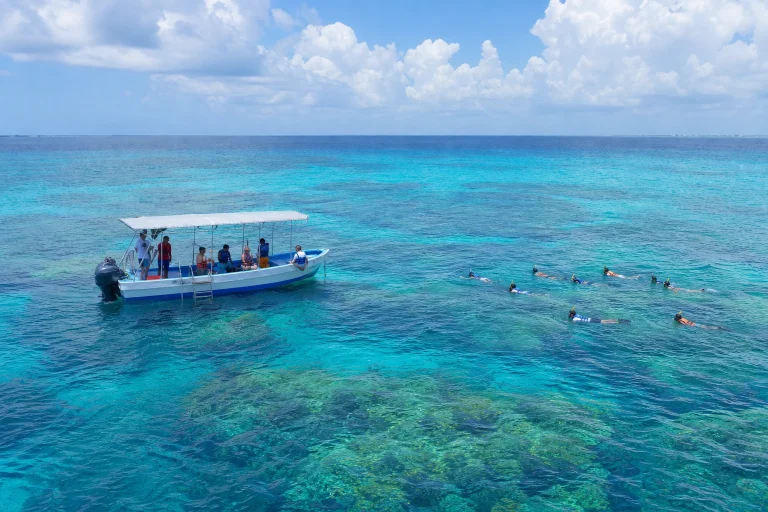
Seeing a sea turtle in Cozumel can be memorable, but the best encounter is one the animal is free to end. Whether you are snorkeling, diving, boating, or walking near a nesting beach, distance and restraint protect the turtle and usually create a calmer, longer observation.
Let the turtle control the encounter
Do not touch, hold, feed, chase, or block a turtle. Stay out of its path to the surface and give it room to change direction. A turtle that swims away, speeds up, dives abruptly, or repeatedly turns from a group is telling you the distance is too small.

Starfish, Stingrays and the Cozumel Turtle Sanctuary Snorkel Tour
People’s Choice- Best snorkeling tour! immerse in a world of Adventure and admire Spectacular marine life on this Cozumel Snorkeling trip. Enjoy 3...

El Cielo Cozumel Snorkeling trip by Catamaran
TRAVELER’S FAVORITE TRIP! Get in the mood for fun aboard your Catamaran in a fun sail to magnificent reefs and gr...

Catamaran Snorkel Adventure to El Cielo and The Money Bar Beach
Set sail on the stunning catamarans La Chula or Poseidon for an unforgettable 4-hour snorkeling adventure to El Ciel...

El Cielo Cozumel by Private Boat
Awarded Private Tour! Have fun aboard your Private boat and experience Cozumel water treasures in this incredible s...
There is no responsible guarantee of a sighting. Choose an excursion for the habitat, guide quality, group management, and overall experience rather than a promise that wildlife will perform on schedule.
Keep a respectful distance in the water
Approach slowly from the side, never from directly above or behind. Avoid surrounding an animal with a circle of swimmers. If several people are already close, watch from farther away instead of joining the cluster.
Use flotation if it helps you remain controlled. A swimmer who is struggling to stay level may kick coral, collide with another guest, or lunge toward wildlife without intending to.
Control fins, hands, and equipment
Keep fins high over sand and well away from coral. Secure cameras, gauges, and loose straps so they do not drag. Never stand on reef, and do not grab coral to steady yourself for a photograph.
Divers should maintain neutral buoyancy before trying to frame wildlife. Snorkelers should look forward regularly so fascination with a turtle does not carry them into a boat lane, shallow coral, or another group.
Review Cozumel reef and wildlife safety
Choose operators that manage the group
Ask how many guests share a guide, what distance rules are briefed, and what happens when another boat crowds an animal. A responsible guide will end or redirect an encounter when conditions are poor, even if that means fewer photographs.
Small groups can be easier to control, but size alone is not a guarantee. Listen for a clear safety briefing and watch whether the crew models the behavior it requests from guests.
Photograph without turning the animal into a target
Use natural light when possible and avoid repeated close flashes. Set up the camera before approaching so you are not drifting closer while changing controls. A wider environmental photograph can tell more of the story than an extreme close-up.
Never ask a guide to touch, steer, or bait wildlife for an image. If the animal faces away or the water is cloudy, accept the conditions rather than forcing a second encounter.
Respect nesting beaches and official controls
Nesting and hatching areas may have seasonal access rules. Follow signs and instructions from authorized conservation staff, keep dogs away, stay off marked nests, and do not move eggs or hatchlings.
Artificial light can disorient turtles. Avoid flash, bright phone lights, and unauthorized nighttime beach visits. If you find a turtle or hatchlings in difficulty, contact local authorities or recognized conservation staff instead of intervening on your own.
Remember that safety still comes first
Do not follow a turtle into strong current, deep water, a boat channel, or breaking surf. Stay within the guide’s boundary and keep enough energy for the return. On the surface, make yourself visible to boats as instructed.
Reef-safe behavior is not a substitute for personal limits. If you are tired, cold, anxious, or short of air, end the encounter calmly and signal the guide.
Quick etiquette checklist
- Keep distance and leave the turtle a clear route to the surface.
- Never touch, feed, chase, surround, or ride wildlife.
- Control fins and equipment around coral and other swimmers.
- Avoid flash and give up the photograph before closing the distance.
- Follow seasonal beach controls and report concerns to authorized staff.
Plan a responsible snorkeling or diving day
Starfish, Stingrays and the Cozumel Turtle Sanctuary Snorkel Tour
People’s Choice- Best snorkeling tour! immerse in a world of Adventure and admire Spectacular marine life on this Cozumel Snorkeling trip. Enjoy 3...

Cozumel Snorkeling Tour: Palancar, Columbia and El Cielo Reefs
Award Winning Snorkeling Trip! Set off for a great Adventure to the Caribbean and admire the Spectacular marine lif...
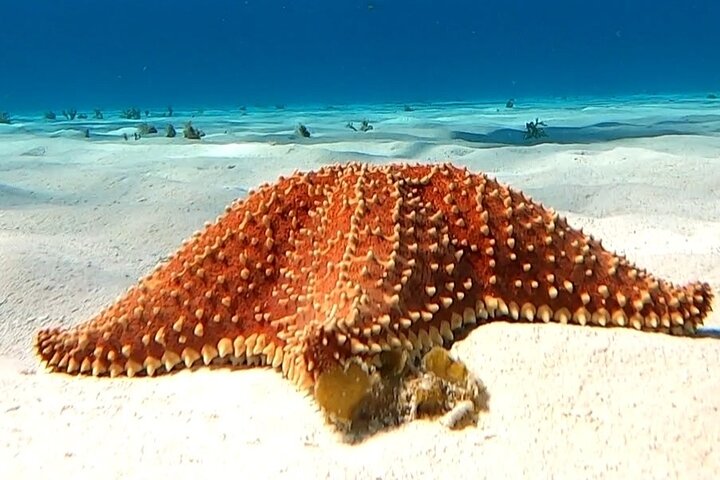
The Cozumel Turtle Sanctuary Snorkel Tour
We're known for operating the best all-inclusive snorkel experiences on the island of Cozumel.Traveling to some of t...

Cozumel ClearBoat Adventure with Snorkeling
Perfect For Families and Couples! Hope on aboard a unique experience in the only 100% transparent boat in the World...

Jade Caverns Private Jeep Tour with Lunch and Snorkeling
Discover Cozumel’s beauty with the Private Jeep to Jade Cavern, designed to be fully customizable to your preferen...

Exclusive Private Boat to El Cielo
Indulge in the exclusivity of a Private Boat tour to Cozumel’s most breathtaking destinations: El Cielo and the wo...
Starfish, Stingrays and the Cozumel Turtle Sanctuary Snorkel Tour
People’s Choice- Best snorkeling tour! immerse in a world of Adventure and admire Spectacular marine life on this Cozumel Snorkeling trip. Enjoy 3...
El Cielo Cozumel Snorkeling trip by Catamaran
TRAVELER’S FAVORITE TRIP! Get in the mood for fun aboard your Catamaran in a fun sail to magnificent reefs and gr...
Cozumel Snorkeling Tour: Palancar, Columbia and El Cielo Reefs
Award Winning Snorkeling Trip! Set off for a great Adventure to the Caribbean and admire the Spectacular marine lif...
Cozumel ClearBoat Adventure with Snorkeling
Perfect For Families and Couples! Hope on aboard a unique experience in the only 100% transparent boat in the World...