Snorkeling Palancar Reef: What It’s Actually Like
Palancar is not a single shallow lagoon beside the beach. It is a broad reef system reached by boat, and a typical snorkeling visit is a guided drift over selected sections chosen for conditions, visibility, and the group’s ability.
What the experience feels like
The first surprise is scale. Coral heads, channels, patches of sand, and deeper blue water pass beneath you while the current does part of the work. On a clear day, the view can feel expansive rather than enclosed. You may see schools of fish, sea fans, rays, turtles, or other wildlife, but no responsible operator can promise a particular animal.

Cozumel Snorkeling Tour: Palancar, Columbia and El Cielo Reefs
Award Winning Snorkeling Trip! Set off for a great Adventure to the Caribbean and admire the Spectacular marine life on this awarded Cozumel Snorkeli...

Cozumel ClearBoat Adventure with Snorkeling
Perfect For Families and Couples! Hope on aboard a unique experience in the only 100% transparent boat in the World...

Exclusive Private Boat to El Cielo
Indulge in the exclusivity of a Private Boat tour to Cozumel’s most breathtaking destinations: El Cielo and the wo...
Because the boat follows the group, the exit point may be different from the entry point. That makes the briefing important: listen for hand signals, regrouping rules, and how the guide wants swimmers positioned in the current.
Drift snorkeling is different from swimming laps
A gentle drift can be relaxing when everyone understands the plan. It can feel uncomfortable when a swimmer expects to stop in one place or move independently from the group. Stay close enough to see the guide, avoid fighting the current unnecessarily, and use the flotation offered if it helps you conserve energy.
Tell the crew before entering if you are not a confident open-water swimmer. A good guide would rather adjust early than discover a problem after the group is spread out. Children, first-time snorkelers, and anxious swimmers may benefit from a private guide or a trip that includes a sheltered practice stop.
How Palancar fits into a typical reef tour
Many outings combine more than one reef or sandbar area, but the exact route depends on permits, weather, current, departure point, and the operator. Longer lists of named stops do not automatically mean more time in the water. Ask how much snorkeling is expected, how many guests share a guide, and whether the advertised duration includes transfers and equipment fitting.
A short boat ride from a southern departure point can leave more of the trip for the reef. A central pickup may be more convenient but involve additional transit. Neither is universally better; compare the complete plan from your hotel or cruise pier.
Who will enjoy it most
Palancar suits travelers comfortable putting their face in open water and following a moving guide. It is especially rewarding for people who care about reef scenery more than standing on a beach. It may be a poor first choice for someone who needs to touch the bottom, dislikes boat motion, or expects a completely private encounter on a standard group tour.
Scuba divers experience different depths and formations, so do not assume a snorkeling description predicts the dive. Certified divers should speak directly with an operator about experience, recent diving, and site selection.
Gear and comfort
A well-fitting mask matters more than an expensive one. Test the seal before departure, keep hair and sunscreen away from the skirt, and ask for another size if it leaks. Use fins that stay secure without crushing your feet. A rash guard provides warmth and sun protection without adding bulk.
Bring water and a dry layer for the return ride. If you are prone to motion sickness, discuss an appropriate plan with a medical professional before the trip; remedies often work best before the boat moves. Do not try unfamiliar medication for the first time at the pier.
Reef etiquette
Do not stand on coral, hold it for balance, feed fish, chase turtles, or crowd an animal for a photograph. Keep fins off the bottom and secure cameras or loose gear so they do not strike the reef. Follow marine-park instructions and the operator’s current sunscreen guidance.
The most satisfying encounters usually happen when the group slows down. Wildlife behaves more naturally, the guide can point out smaller details, and swimmers spend less time correcting collisions.
Review respectful turtle and wildlife etiquette

ATV 4×4+Snorkeling+Beach Club+ Lunch+Sabores de Cozumel
Take part on a thrilling ATV Adventure with a family owned Tour Operator that has been in business for over 25 years...

El Cielo Cozumel Snorkeling trip by Catamaran
TRAVELER’S FAVORITE TRIP! Get in the mood for fun aboard your Catamaran in a fun sail to magnificent reefs and gr...

Jade Caverns Private Jeep Tour with Lunch and Snorkeling
Discover Cozumel’s beauty with the Private Jeep to Jade Cavern, designed to be fully customizable to your preferen...
Questions to ask before booking
Confirm the meeting point and local time again close to departure. Marine conditions can change, and a trustworthy operator may substitute a safer site. That is not a failed Palancar day; it is the kind of judgment that keeps a reef trip enjoyable.
- Where does the boat depart, and is hotel or pier transport included?
- How many guests are assigned to each in-water guide?
- Is the trip appropriate for first-time or weak swimmers?
- How much time is normally spent in the water?
- What happens if wind or current changes the route?
- Are flotation, prescription masks, or child-size equipment available?
Cozumel Snorkeling Tour: Palancar, Columbia and El Cielo Reefs
Award Winning Snorkeling Trip! Set off for a great Adventure to the Caribbean and admire the Spectacular marine life on this awarded Cozumel Snorkeli...
Exclusive Private Boat to El Cielo
Indulge in the exclusivity of a Private Boat tour to Cozumel’s most breathtaking destinations: El Cielo and the wo...

Cozumel Playa Palancar VIP All Inclusive Day Pass
A serene retreat awaits at Playa Palancar, where the Mexican Caribbean meets your desire for relaxation. With limite...

Starfish, Stingrays and the Cozumel Turtle Sanctuary Snorkel Tour
immerse in a world of Adventure and admire Spectacular marine life on this Cozumel Snorkeling trip. Enjoy 3 of the m...
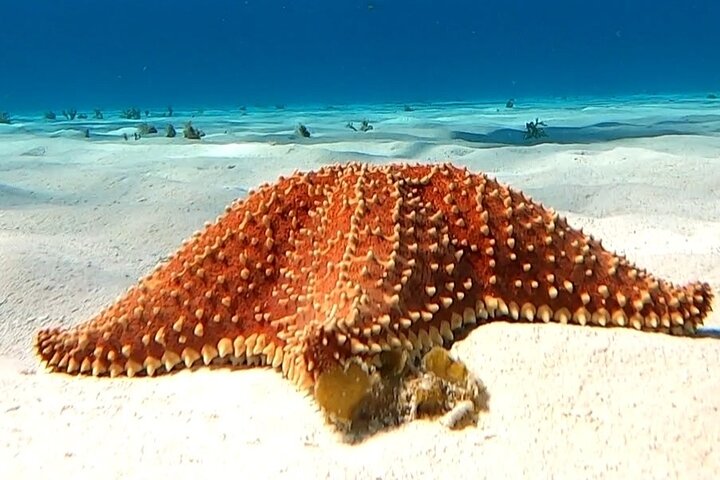
The Cozumel Turtle Sanctuary Snorkel Tour
We're known for operating the best all-inclusive snorkel experiences on the island of Cozumel.Traveling to some of t...

Catamaran Snorkel Adventure to El Cielo and The Money Bar Beach
Set sail on the stunning catamarans La Chula or Poseidon for an unforgettable 4-hour snorkeling adventure to El Ciel...
Cozumel Snorkeling Tour: Palancar, Columbia and El Cielo Reefs
Award Winning Snorkeling Trip! Set off for a great Adventure to the Caribbean and admire the Spectacular marine life on this awarded Cozumel Snorkeli...
Cozumel ClearBoat Adventure with Snorkeling
Perfect For Families and Couples! Hope on aboard a unique experience in the only 100% transparent boat in the World...
El Cielo Cozumel Snorkeling trip by Catamaran
TRAVELER’S FAVORITE TRIP! Get in the mood for fun aboard your Catamaran in a fun sail to magnificent reefs and gr...
Exclusive Private Boat to El Cielo
Indulge in the exclusivity of a Private Boat tour to Cozumel’s most breathtaking destinations: El Cielo and the wo...